This Wasn’t Supposed to Be About Turkey
Welcome to my random musings about the world, on a weekly-to-occasional basis.
Where we are: We’re hanging out in the little village of Pomos, in the northwestern corner of Cyprus. Not much is happening, except reading, writing, and contemplating the long, living reach of history. (Okay, maybe that’s just me; Lee is definitely a here-and-now kind of guy.)
This Wasn’t Supposed to be About Turkey
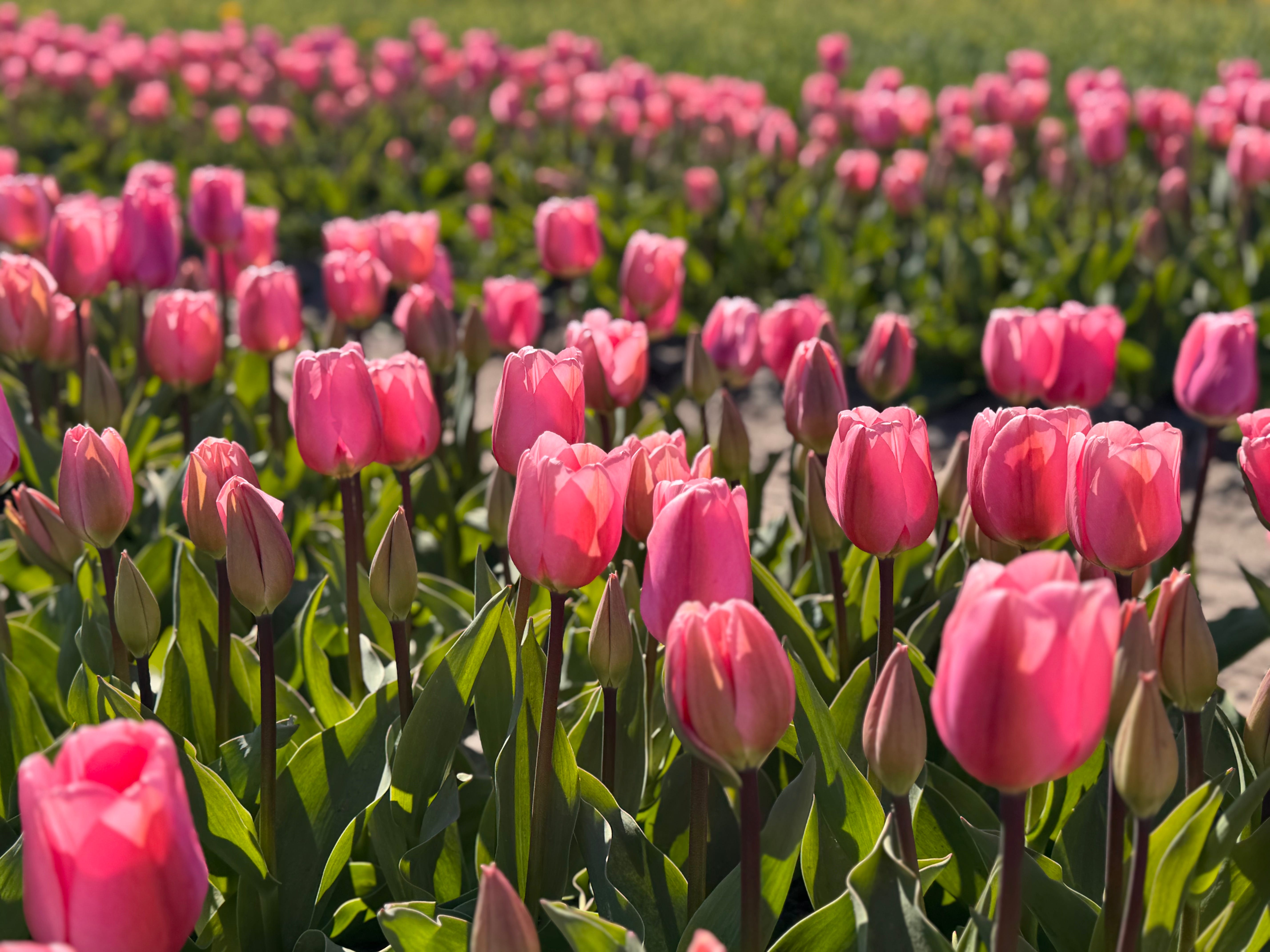
Two weeks ago, while we were in the Netherlands, I read a book about the Dutch tulip mania of the 17th century. I like to read about a thing while I’m in the place, but the longer I travel, the more I realize that no single thing/event/moment of history can be corralled to one specific locale.
Last night I finished reading a book about Cyprus, trying to understand a bit about the island’s history (which is rich and complex and really long—I’m hoping to visit the archaeological site of Khirokitia, which dates back to approximately 7000 BCE).
Now, at no point did either of those books reference the other. To look at the respective subjects, you’d be forgiven for assuming they’re entirely unrelated—nothing to do with each other. But on some level, both books were about Turkey, which is just a hop-skip-and-a-jump from where I currently sit. Both books contain long discourses on the history of the Ottoman Empire, and the movement of both Turkish and European diplomats (and troops, and citizens, and products) around the world.
Only three short months ago, Lee and I were in Indonesia, learning about Dutch history from the colonial point of view. Shipping, commerce, trade, empire. From Indonesia, we flew directly to Kolkata, which was the power center of the British empire in India.
Here in Cyprus, I’m studying the map, trying to plan out a route so we can visit the ancient Roman city of Kourion. But the address keeps popping up as UK, which confused me at first. Come to find out: part of this island is technically British, and I think we can drive our rental car through that area. We definitely can’t drive it into the northern part of the island, which is part of Turkey.
On my evening walks, I have to step carefully to avoid getting mulberry juice all over my sneakers. The trees, which are abundant on this end of the island, have fruited and made a huge mess on the sidewalks. According to the book I read, they’re a remnant of the silk industry, which was brought to Cyprus during the Byzantine era. Silk, of course, came from China, along the silk roads, via Turkey.
Obviously, once upon a time Cyprus was part of ancient Rome (I say obviously, because I keep making Lee drive me around to see Roman ruins that have been baking in the sun for two thousand years—he’s thrilled).
Nowadays, in this part of the island, lots of Cypriots fly Greek flags. Signs are written in Greek and English. Menus are sometimes also in Russian or German or Mandarin. Our waiter at lunch was from Nepal. Our Airbnb host told us his wife went to college in the US. He also told us about a Chinese man who emigrated and changed his first name but not his last, so now there’s a guy named something like Alexandros Yang, who does charitable work and has assimilated into the community.
On the surface, Cyprus doesn’t really look like a melting pot, but scratch the surface a little, and you realize it’s just as rich and diverse and complex as most places.
Tulips were originally native to the Himalayas, but like we humans, they have moved around the world, changing and being changed, spreading to new lands; the flower we love today looks nothing like the original.
Take care,
Lisa
P.S. Thanks for reading, and feel free to share. If you have feedback, I’d love to hear it. And if someone forwarded this to you, thank them for me, and go to https://bookwoman.com/ to subscribe.